
Why ‘ChatGPT’ Is One of the Most Searched Keywords — And What You Should Know
Introduction: The Internet’s Obsession with ChatGPT
It’s hard to spend a day online without hearing about ChatGPT.
From TikTok tutorials and YouTube explainers to business podcasts and classroom discussions, the AI chatbot created by OpenAI has become a household name and not just among tech enthusiasts. In fact, according to recent data, over 1 billion people searched for “ChatGPT” in the past year, making it one of the most Googled keywords in the world.
That number isn’t just impressive, it’s historic. No other AI tool has ever captured public attention so rapidly or reshaped digital habits so completely. What began as an experimental project from OpenAI in late 2022 quickly evolved into a cultural phenomenon, inspiring everything from viral memes to corporate overhauls. Whether you’re a student trying to write an essay faster, a marketer automating content creation, or a programmer looking for quick code snippets, chances are you’ve either used or at least Googled “how to use ChatGPT.”
But what’s behind this unstoppable surge in popularity? Why are millions of people searching every day for ChatGPT prompts, ChatGPT login, or how ChatGPT works? And more importantly, what does this AI revolution mean for you as a user, creator, or professional trying to stay ahead in 2025’s fast-changing digital landscape?
In this article, we’ll explore why “ChatGPT” remains one of the most searched keywords on Google, how it transformed from a niche AI model into a global productivity tool, and what you should know to make the most of it. Because understanding ChatGPT’s popularity isn’t just about curiosity, it’s about unlocking the future of how we search, work, learn, and create.
The Search Explosion: How ChatGPT Took Over Google Trends
When ChatGPT launched quietly in late 2022, few could have predicted it would become one of the most searched keywords on Google within months. Yet by early 2023, the OpenAI chatbot had achieved what few platforms ever do — it outpaced giants like YouTube, Weather, and even Facebook in search momentum, according to Google Trends data.
Search interest for “ChatGPT” skyrocketed in record time, hitting its first major peak in December 2022, just weeks after OpenAI released the tool to the public. That spike wasn’t just curiosity, it was a sign of something bigger: people were beginning to realize that AI chatbots could do far more than answer simple questions. They could write essays, solve coding problems, draft emails, generate business ideas, and even create poetry.
Then came March 2023, when GPT-4 was unveiled. That update marked another massive surge in Google searches for ChatGPT, as millions rushed to learn about the new features, capabilities, and how it compared to previous versions. Search queries like “ChatGPT vs GPT-4”, “how to use ChatGPT effectively”, and “best ChatGPT prompts” dominated global search results.
As the months passed, ChatGPT became not just a search trend, but a cultural touchpoint. From students asking for homework help to professionals seeking AI productivity tools, the phrase “ChatGPT” became a gateway to exploring the broader AI revolution.
Much of this viral growth can be traced to social media amplification. Platforms like TikTok, Twitter (now X), and YouTube turned ChatGPT into a viral phenomenon users shared “mind-blowing prompts,” productivity hacks, and side hustle tutorials powered by the AI. Every new feature, from ChatGPT plugins to voice mode, triggered fresh search spikes as people rushed to experiment and share their discoveries.
But beyond hype and hashtags, what truly fueled the explosion was curiosity. People wanted to understand whether AI could replace or enhance human creativity. Could it write better than us? Think faster? Make work easier? These questions drove millions of daily searches, turning ChatGPT from a niche tech tool into a global search obsession.
By 2025, even with competitors like Google Gemini and Anthropic’s Claude entering the scene, ChatGPT continues to dominate global search interest. It remains one of the top 10 most searched terms worldwide, solidifying its place not just as a product, but as a defining symbol of the AI-powered era.
What People Are Actually Searching About ChatGPT
If you take a closer look at what people are typing into Google, you’ll notice that curiosity around ChatGPT goes far beyond just “what is ChatGPT.” Millions of users are searching for how to use it, how to get better results, and how to apply it to their specific goals whether for business, school, or creativity.
Every month, search engines record an enormous volume of queries like “ChatGPT login,” “how to use ChatGPT,” “best ChatGPT prompts,” “ChatGPT alternatives,” and “ChatGPT for business.” These searches reveal that people aren’t just fascinated by the technology itself, they’re actively seeking ways to integrate AI chatbots into their daily lives.
The most common searches tend to fall into three broad categories of search intent, the underlying reason behind every query.
Informational intent reflects curiosity. People want to understand what ChatGPT is, who created it, and how it works. Queries like “What is ChatGPT used for?” or “How does ChatGPT generate answers?” show that users are exploring the fundamentals of AI technology and natural language processing.
Navigational intent usually includes people trying to access the tool directly for example, “ChatGPT login” or “ChatGPT app download.” These searches surged after OpenAI introduced mobile apps and integrated features like voice mode and image input, showing just how widespread daily usage has become.
Finally, transactional intent reveals those ready to take action,, they might be looking for ChatGPT Plus subscriptions, API integrations, or AI tools that complement ChatGPT. Keywords like “ChatGPT vs Gemini” or “best ChatGPT alternatives” signal decision-making behavior, where users compare products before adopting them.
Yet beyond data and analytics, these searches tell a bigger story people are looking for help, inspiration, and ways to be more productive. They want AI to make life easier, faster, and even a little more creative.
Below are some of the most popular search themes and examples of prompts people use with ChatGPT for each goal:
Learning and Knowledge Expansion
Students, teachers, and lifelong learners often search “how to use ChatGPT for studying” or “ChatGPT for learning.” The AI has become a free virtual tutor, capable of explaining complex concepts in simple language.
Example prompts:
“Explain quantum computing in simple terms for a beginner.”
“Summarize this article into key bullet points.”
“Create a study plan to learn digital marketing in 30 days.”
Productivity and Workflow Automation
Professionals and entrepreneurs are among the most active users. They search “ChatGPT for productivity” or “how to automate tasks with ChatGPT.” The goal is to save time on writing, planning, and communication.
Example prompts:
“Write a professional email to follow up with a client about a proposal.”
“Generate 10 blog post ideas about sustainable technology.”
“Create a daily schedule to improve time management.”
Coding and Technical Help
Developers rely on ChatGPT as a real-time coding companion. Searches like “how to use ChatGPT for coding” or “ChatGPT for Python debugging” are incredibly common.
Example prompts:
“Write a Python function to calculate compound interest.”
“Debug this JavaScript code and explain the issue.”
“Generate a REST API example using Node.js.”
Creativity and Content Generation
Writers, marketers, and social media creators are fascinated by ChatGPT’s creative abilities. Keywords such as “ChatGPT writing prompts”, “ChatGPT for storytelling”, and “ChatGPT for social media posts” dominate creative searches.
Example prompts:
“Write a short story about time travel with an emotional twist.”
“Generate 5 catchy Instagram captions for a travel brand.”
“Write a YouTube script introducing my channel about personal growth.”
Business and Marketing Strategy
Entrepreneurs are increasingly using ChatGPT to plan and analyze business ideas. Searches like “ChatGPT business plan template” and “how to use ChatGPT for marketing” continue to rise.
Example prompts:
“Write a marketing plan for launching an eco-friendly skincare brand.”
“Create a customer persona for a luxury watch company.”
“Generate SEO keywords for a fitness blog.”
Finding the Best AI Tools and Alternatives
Some users explore beyond ChatGPT by searching for “ChatGPT alternatives” or “AI tools like ChatGPT.” This reflects the expanding AI ecosystem and users’ desire for specialized solutions.
Example prompts:
“Compare ChatGPT with Google Gemini and Anthropic Claude.”
“List the best AI tools for content writing in 2025.”
“Suggest AI tools for video editing and design.”
Each of these examples reflects a growing relationship between humans and AI, a partnership built on curiosity, experimentation, and creativity. What started as a simple chatbot is now being used by millions to learn faster, work smarter, and communicate better.
It’s not just that people are searching for ChatGPT, they’re searching with ChatGPT. And that, perhaps, is the most powerful transformation of all.
Why ChatGPT Became a Cultural Phenomenon
There are few technologies that manage to cross the invisible line between innovation and identity and ChatGPT did exactly that. What began as a clever AI chatbot by OpenAI quickly evolved into a global conversation starter, an educational companion, a creative partner, and even a meme generator.
The secret to its massive popularity lies in one word: accessibility. Unlike many advanced tools locked behind paywalls or complex systems, ChatGPT was free, web-based, and astonishingly easy to use. Anyone with an internet connection could visit the website, type a question, and instantly get a well-written, human-sounding answer. There was no need to install software or learn new commands, the experience felt as simple as chatting with a friend.
That simplicity is exactly what made millions of users fall in love with it. For the first time, people felt like they were talking to AI, not just using it. The conversational style, the empathy in tone, and the sense of instant understanding created an emotional connection that traditional search engines or productivity tools never offered. It wasn’t just about getting an answer, it was about having a conversation.
Then came the power factor. ChatGPT proved useful to almost everyone.
Students discovered they could use it to explain difficult topics, summarize lectures, or brainstorm essay ideas. Writers turned it into a creativity partner, using it to outline stories, refine language, and overcome writer’s block. Marketers and entrepreneurs used it to draft product descriptions, social media posts, and business plans. Coders found it invaluable for debugging and generating snippets of code. In short, ChatGPT became the universal assistant people didn’t know they needed.
At the same time, social media supercharged its rise. On TikTok, short videos showing “mind-blowing ChatGPT hacks” went viral overnight. YouTubers created full-length tutorials on “how to use ChatGPT to earn money online.” Twitter (now X) became a constant stream of AI-generated jokes, creative prompts, and viral threads about the future of artificial intelligence. Each post inspired more curiosity, more experimentation, and more searches for terms like “best ChatGPT prompts,” “ChatGPT for business,” and “how to use ChatGPT effectively.”
Suddenly, ChatGPT wasn’t just a tool, it was a cultural movement. The AI became part of everyday language, part of work routines, and part of how people define productivity. It blurred the boundaries between human creativity and machine assistance, showing that AI could be both powerful and approachable.
ChatGPT as a Verb — When a Tool Becomes a Habit
The truest sign of cultural impact is when a brand name turns into a verb. We say “Google it” when we mean “search for it,” and now, increasingly, people are saying “I’ll ChatGPT it.”
This shift reflects a deep behavioral change. ChatGPT is no longer just an application, it’s a reflex, a habit. When someone needs to draft an email, brainstorm content ideas, or understand a new concept, the first thought isn’t “let me search on Google,” but “let me ask ChatGPT.” That simple linguistic shift shows that AI has entered the core of human routine.
By becoming both a noun and a verb, ChatGPT joined the rare ranks of products that transcend their purpose. It represents a new form of human-AI collaboration, one where people don’t just use technology, they converse with it, learn from it, and even create alongside it.
And that’s what makes ChatGPT a true cultural phenomenon. It’s not just an AI chatbot or a trending keyword; it’s a mirror reflecting how humanity embraces change — curious, cautious, and endlessly creative.
Comment Section
Share your thoughts and join the conversation
No comments yet
Be the first to share your thoughts!
3 Products Picked For You
Enjoy 30% off every digital product with code 4CATA4BA2RA
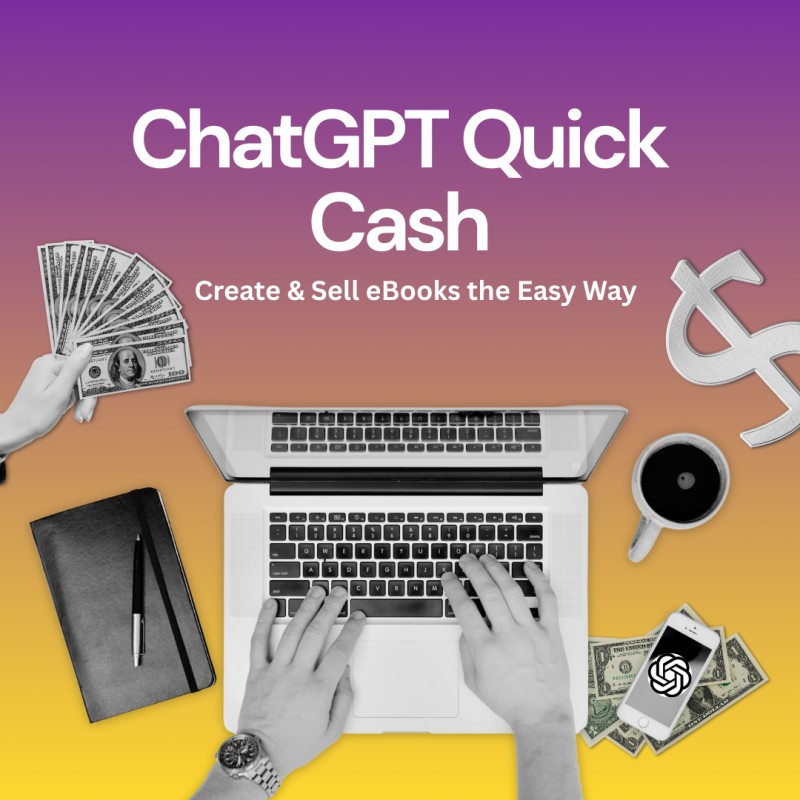
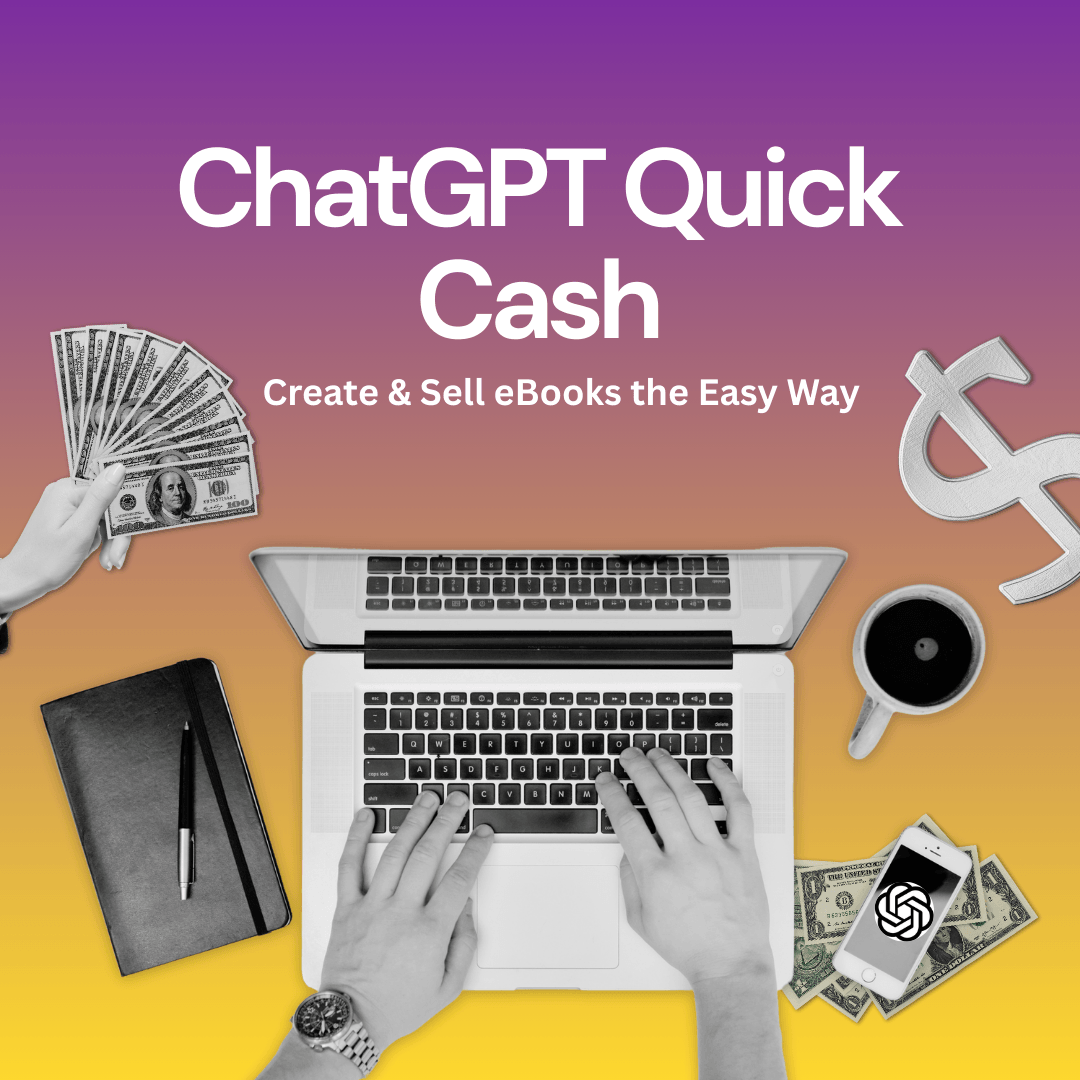
ChatGPT Quick Cash
A practical guide to using ChatGPT for content creation, digital products, online opportunities, and exploring income online.
View Product
The Debt Freedom System
A 30 day financial reset to help you organize your money, understand spending, manage debt, and build better habits.
View Product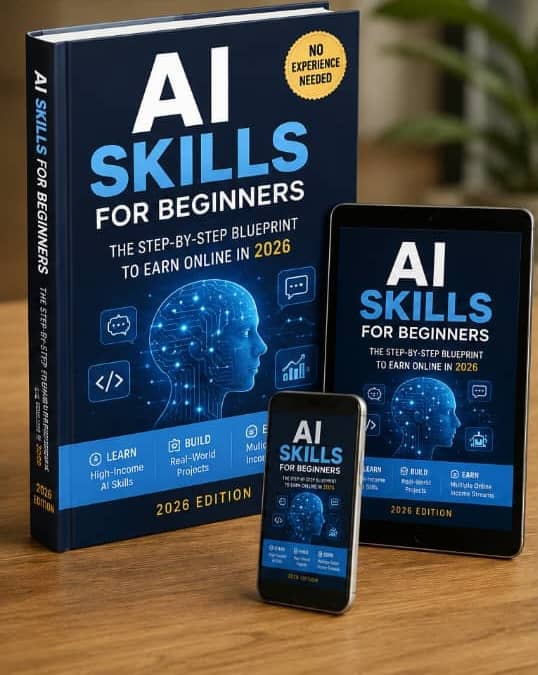
AI Skills for Beginners
A step by step guide to understand useful AI skills, explore practical tools, and apply AI in your personal or professional journey.
View Product


Discover Beautiful Digital Products
Explore a handpicked collection of digital assets designed to inspire, teach, and help you grow online.
Discover New Products
Choose from a wide range of digital assets
The Debt Freedom System
A Practical 30-Day System to Organize Your Money, Reduce Debt, Build Savings, and Create Better Financial Habits.
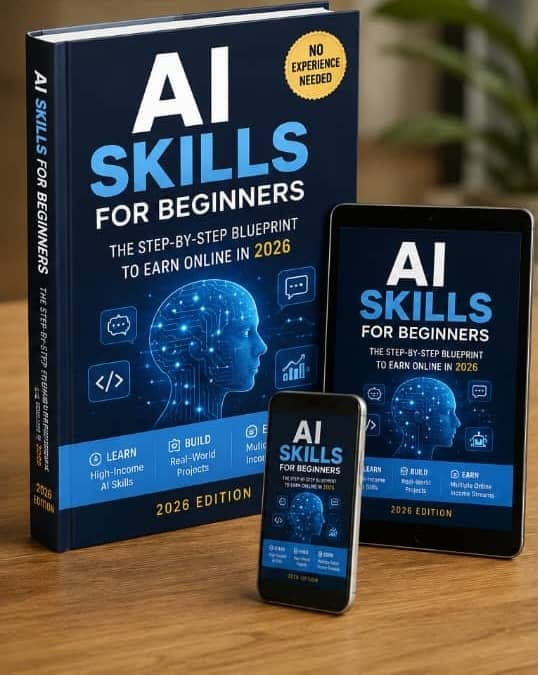
View ProductAI Skills for Beginners 2026
Practical guide will help you understand AI from the ground up and show you how to apply it to real opportunities.
View Product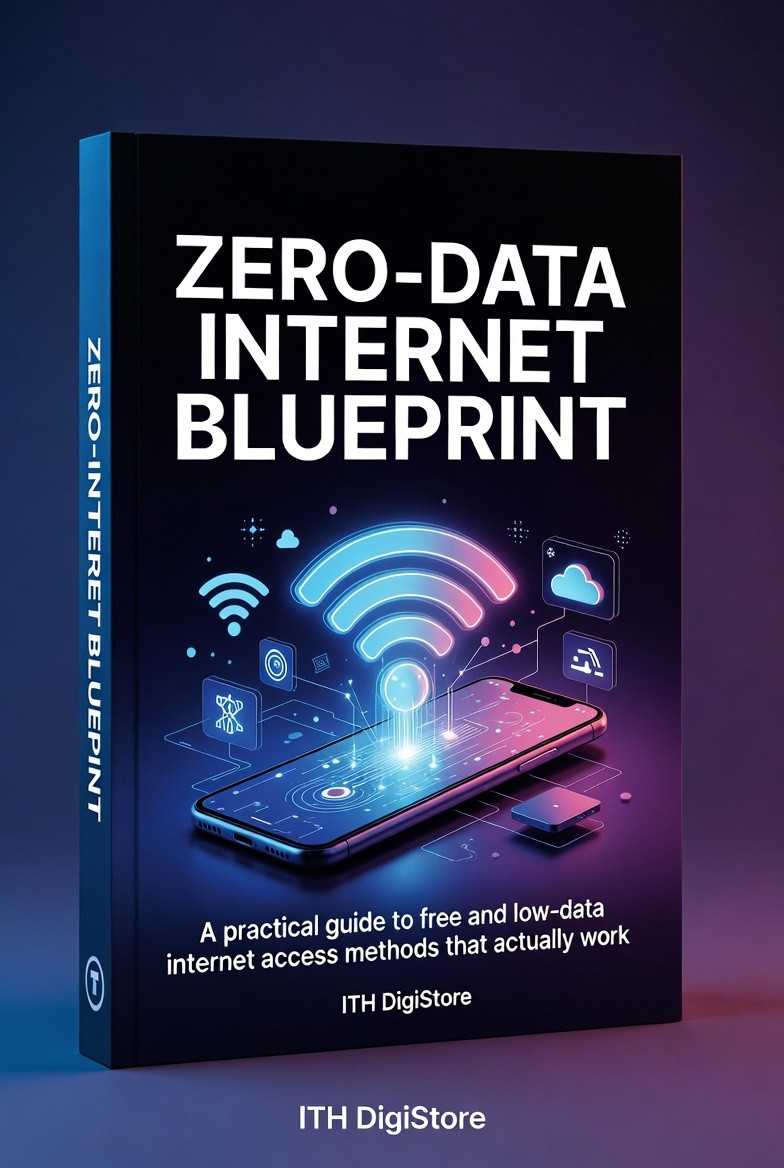
Zero Data Internet Blueprint
Smart methods for accessing the internet without constantly using their mobile data.
View ProductChatGPT Quick Cash
Discover the fastest, simplest way to create and sell digital products that people actually buy. .
View Product
AI-Simple-Guide
Beginner-friendly resource that explain basics of AI in clear and easy-to-understand language.
View Product
7-Day Client Magnet™
Step-by-step sprint to attract and convert your first 10 qualified leads fast.
View Product
Ready to boost your creativity?
Join our satisfied customers and get instant access to our entire products.
Explore All Products3 Products Picked For You
Enjoy 30% off every digital product with code 4CATA4BA2RA
ChatGPT Quick Cash
A practical guide to using ChatGPT for content creation, digital products, online opportunities, and exploring income online.
View Product
The Debt Freedom System
A 30 day financial reset to help you organize your money, understand spending, manage debt, and build better habits.
View Product
AI Skills for Beginners
A step by step guide to understand useful AI skills, explore practical tools, and apply AI in your personal or professional journey.
View Product


Powered by: Ibk Technet Hub
Add a Comment